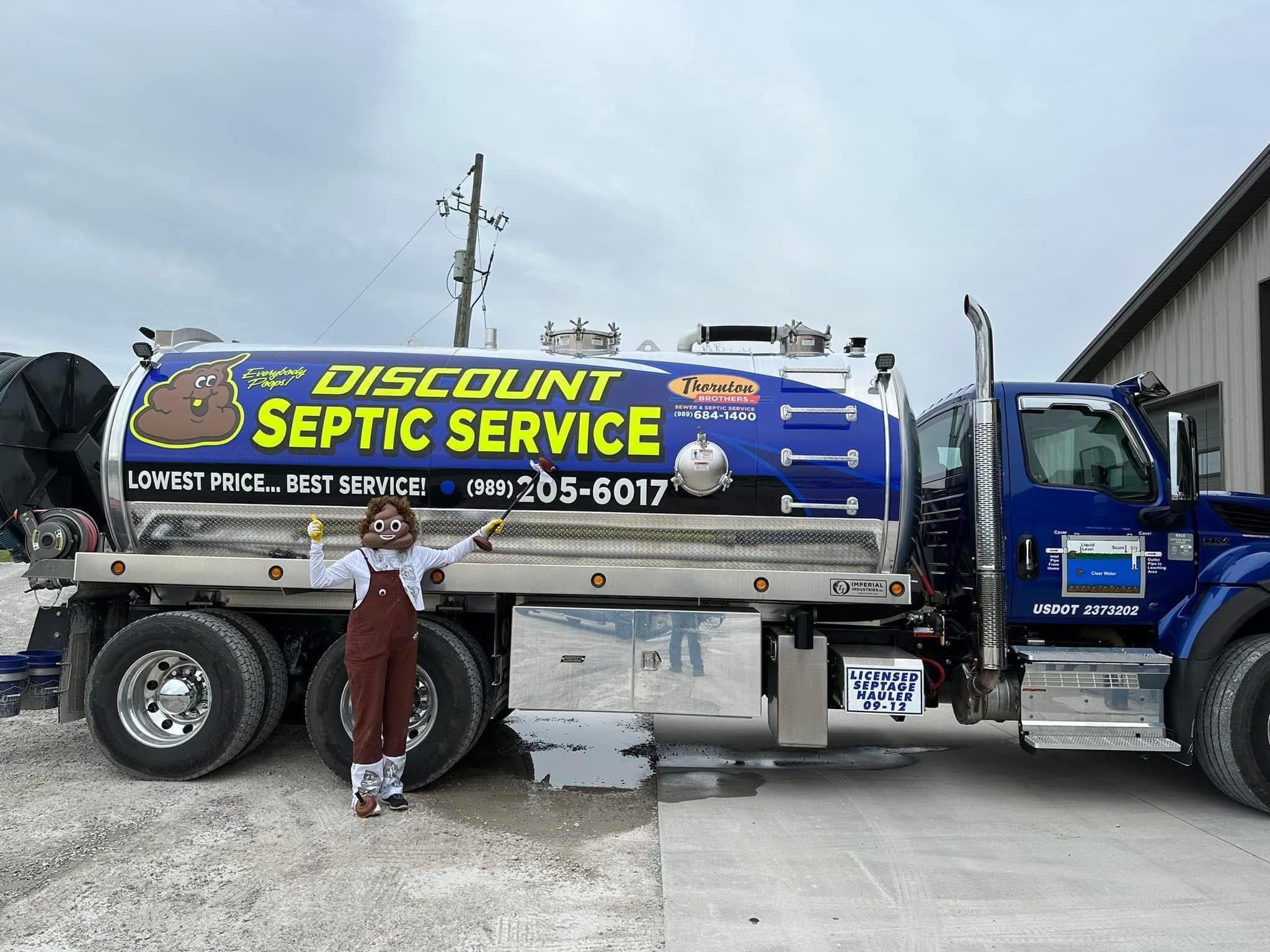
What determines how much septic pumping costs?
Several practical factors drive septic pumping cost: your tank's capacity, time since the last pump-out, how accessible the access lid is, sludge and scum buildup, and whether service is routine or an after-hours emergency. Each factor affects the labor and volume involved, which is why an upfront quote matters.
No two septic systems are identical, so the fairest approach is pricing built around your specific tank and property conditions. Apex Septic keeps pricing transparent so you know what to expect before we arrive.
The single biggest variable is often how long it has been since your last pumping. Tanks serviced on schedule are faster and simpler to clear than ones overdue by years.
- Tank size (residential tanks typically range 1,000 to 1,500 gallons)
- Time since last pump-out and total sludge accumulation
- Ease of access to the tank lid and risers
- Routine service versus 24/7 emergency response
- Any add-on work such as inspection or filter cleaning
How does each factor affect your price?
Larger tanks hold more waste to remove, overdue systems carry heavier sludge loads, and buried or hard-to-reach lids add labor. Emergency calls and additional services also influence the total. The table below shows how common factors push cost up or keep it low.
Use this as a general guide to understand what drives your quote. For an exact figure tailored to your property, a quick phone call is the fastest path.
| Factor | Effect on Cost |
|---|---|
| Larger tank capacity | Higher - more volume to pump and haul |
| Long overdue pumping | Higher - heavier sludge, longer job |
| Buried or hard-to-find lid | Higher - added excavation and labor |
| Easy, exposed access lid | Lower - faster, simpler service |
| On-schedule routine pumping | Lower - predictable, efficient job |
| After-hours emergency service | Higher - 24/7 priority response |
How often should you pump to keep costs down?
Most households should pump their septic tank every three to five years. Staying on schedule prevents sludge from overloading the tank, keeps each pump-out efficient, and helps you avoid costly backups, drain field damage, and emergency calls that cost far more than routine maintenance.
Your ideal interval depends on tank size, household size, and water usage. Larger families and smaller tanks need more frequent service.
Regular pumping is the cheapest insurance for your system. Neglect lets solids reach the drain field, where repairs are far more expensive than a scheduled pump.
- Pump every 3 to 5 years for most residential systems
- Pump more often with a large household or small tank
- Schedule before problems appear, not after
What warning signs mean you should not wait?
Slow drains, sewage odors indoors or outside, gurgling pipes, pooling water or unusually lush grass over the drain field all signal a full or failing tank. These point to a pump-out that is overdue, and acting quickly keeps a routine service from becoming an expensive emergency.
Ignoring these signs lets pressure build in the system, risking backups into your home and damage to the drain field.
If you notice any of these, call Apex Septic right away. We offer 24/7 emergency service across the Great Lakes Bay Region.
- Slow-draining sinks, tubs, and toilets
- Foul odors near the tank or drain field
- Gurgling sounds in your plumbing
- Standing water or soggy ground over the field
- Grass noticeably greener and lusher above the tank
Why does a typical pump-out take 20 to 60 minutes?
A standard residential pump-out usually takes 20 to 60 minutes once the lid is accessible. Locating a buried lid, breaking up hardened sludge in an overdue tank, or servicing a larger system adds time. More time and volume generally mean a higher cost, which is why access and scheduling matter.
Apex Septic works efficiently and disposes of waste responsibly and in an environmentally sound manner. We are fully licensed and insured in Michigan.
Keeping your access lid reachable and your service on schedule are two easy ways to keep each visit quick and affordable.
How do you get an honest, upfront quote?
Just call Apex Septic at (989) 205-6017. We ask about your tank size, location, and service history, then give you clear pricing with no hidden fees. We serve Saginaw, Midland, Bay City, Freeland, Bridgeport, Vassar, Gladwin, and surrounding central-Michigan communities.
Transparent pricing means you understand the cost before we begin. No surprises, no padded charges, just top-tier service at a fair price.
Whether it is routine maintenance or a 24/7 emergency, our licensed and insured team is ready to help.
Frequently Asked Questions
Do you charge hidden fees for septic pumping?
Does tank size change the cost of pumping?
Why is an overdue tank more expensive to pump?
Does a buried septic lid increase the price?
How can I lower my septic pumping costs over time?
Is emergency septic service more expensive than routine pumping?
What areas does Apex Septic serve?
Trusted Septic Resources
Homeowner guidance from authoritative sources on septic system care, maintenance, and Michigan regulations: