What is the difference between septic pumping and cleaning?
Pumping removes the liquid and floating waste from your tank, while cleaning goes further by removing the compacted sludge at the bottom and the scum layer on top. Cleaning restores closer to full tank capacity and gives your system the deepest reset between service intervals.
Many homeowners use the terms interchangeably, but they describe different levels of service. Pumping is the faster routine step that empties most of the tank's contents.
Cleaning is more thorough. Our crew removes the hardened sludge that settles and bonds to the tank floor, material a quick pump-out can miss, so solids don't carry over into your drain field.
| Factor | Pumping | Cleaning |
|---|---|---|
| What is removed | Liquid and floating solids | Liquid, scum, and bottom sludge |
| Thoroughness | Routine partial removal | Deep, near-full removal |
| Sludge at tank bottom | May remain | Fully removed |
| Typical goal | Scheduled maintenance | Reset after buildup or neglect |
| Protects drain field | Yes | Yes, more completely |
Why does sludge removal matter for your system?
Sludge is the dense layer of settled solids at the bottom of your tank. When it builds up, it crowds out capacity and can push solids into your drain field, where they clog soil and cause costly failures. Removing sludge is the single best way to protect the whole system.
Every time wastewater enters the tank, solids sink and form sludge while fats and oils rise into a scum layer. Bacteria break down some of this, but not all, so the sludge layer steadily grows.
Once sludge reaches too high a level, there's no longer room for proper separation. Solids escape into the drain field lines, where they are far more expensive to fix than a routine cleaning would ever cost.
- Prevents solids from reaching and clogging the drain field
- Restores usable tank capacity for proper settling
- Reduces risk of backups into your home
- Protects groundwater through environmentally responsible disposal
- Extends the overall life of your septic system
When should you schedule septic tank cleaning?
Most households should have their tank pumped or cleaned every three to five years, but timing depends on tank size, household size, and usage. If you notice warning signs or it's been longer than five years, schedule service now before a minor issue becomes an emergency.
A typical residential tank holds 1,000 to 1,500 gallons. Larger families and smaller tanks fill the sludge layer faster and need more frequent attention.
If you've recently moved into a home and don't know the service history, a cleaning and inspection is a smart first step to establish a baseline.
- It has been three to five years or longer since the last service
- Your household size or water usage has increased
- You're buying or selling a property with a septic system
- You run a business with heavy wastewater or grease demands
What are the warning signs your tank needs cleaning now?
Watch for slow drains throughout the house, sewage odors indoors or in the yard, gurgling pipes, pooling water or unusually lush green grass over the drain field. These are signals that your tank is overfull and solids may be escaping. Call (989) 205-6017 right away if you notice them.
These symptoms rarely resolve on their own and usually worsen quickly. The sooner you act, the more likely a straightforward cleaning will solve the problem.
Apex Septic offers 24/7 emergency service across Mid-Michigan, so you're never left waiting when wastewater is backing up.
- Slow-draining sinks, tubs, and toilets
- Foul odors near drains or over the tank
- Gurgling sounds in the plumbing
- Standing water or soggy ground above the drain field
- Bright green, fast-growing grass over the septic area
What does the Apex Septic cleaning process involve?
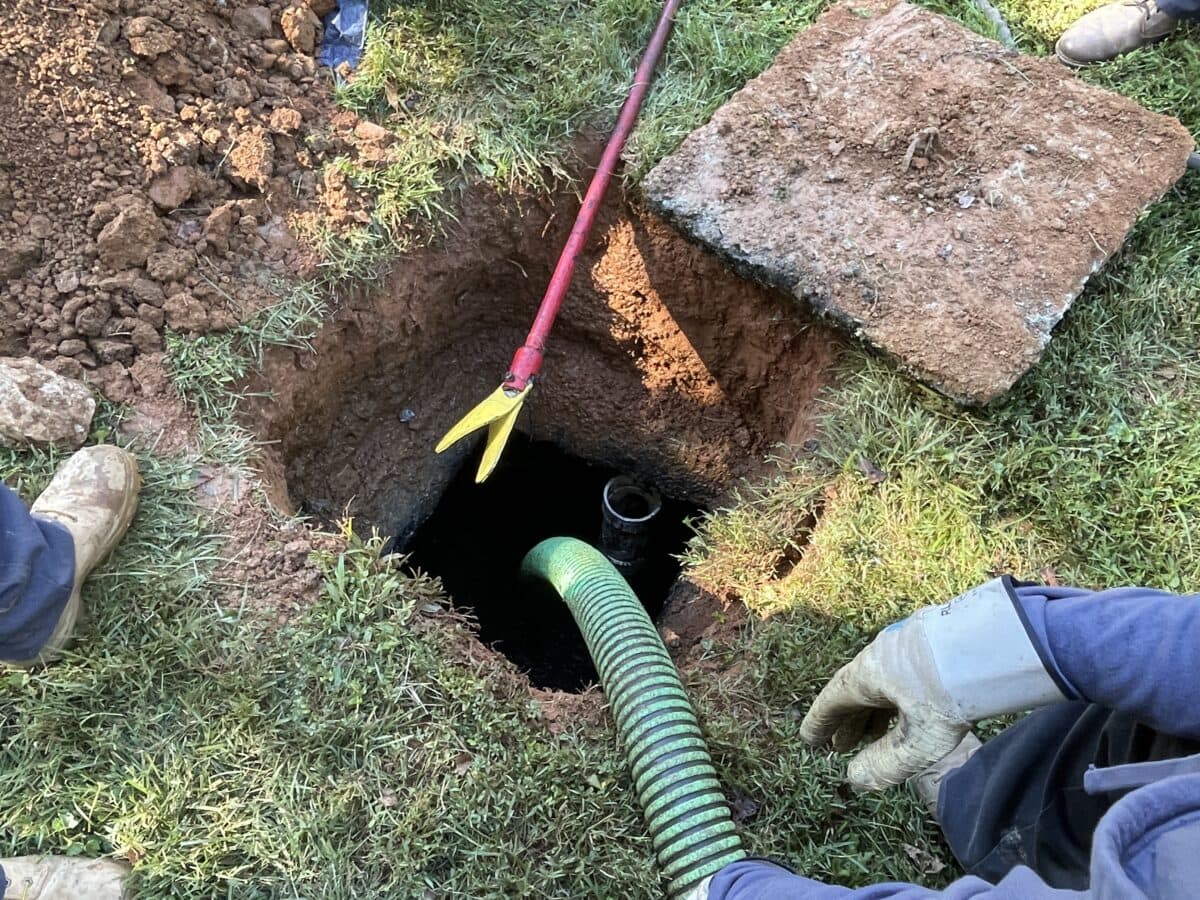
Our licensed crew locates and opens your tank access, assesses sludge and scum levels, then fully removes the contents with professional vacuum equipment. A standard pump-out and cleaning typically takes 20 to 60 minutes, and all waste is hauled to approved facilities for environmentally responsible disposal.
We work efficiently and respect your property, and we're happy to explain what we find so you understand the condition of your system.
Our pricing is clear, honest, and upfront with no hidden fees, so you know what to expect before we begin.
Frequently Asked Questions
How often does a septic tank need cleaning?
How long does septic tank cleaning take?
Is pumping the same as cleaning?
What happens if I never clean my septic tank?
How do I know when my tank is full?
What size is a typical residential septic tank?
Do you offer emergency septic cleaning?
Where does the waste go after cleaning?
Trusted Septic Resources
Homeowner guidance from authoritative sources on septic system care, maintenance, and Michigan regulations: